

Focaccia doesn’t shout. It doesn’t need to.
It’s been quietly doing its thing for centuries—absorbing olive oil, catching salt in its dimples, and proving that the simplest breads often have the longest lives.
Focaccia Roots in Liguria
Focaccia’s story begins along Italy’s northwest coast, where wheat, water, olive oil, and salt were everyday staples. Bakers mixed what they had, pressed it into pans, dimpled the surface, and baked bread sturdy enough for workdays and generous enough for sharing.
This wasn’t celebratory bread. It was useful bread. And that practicality is what made it timeless.
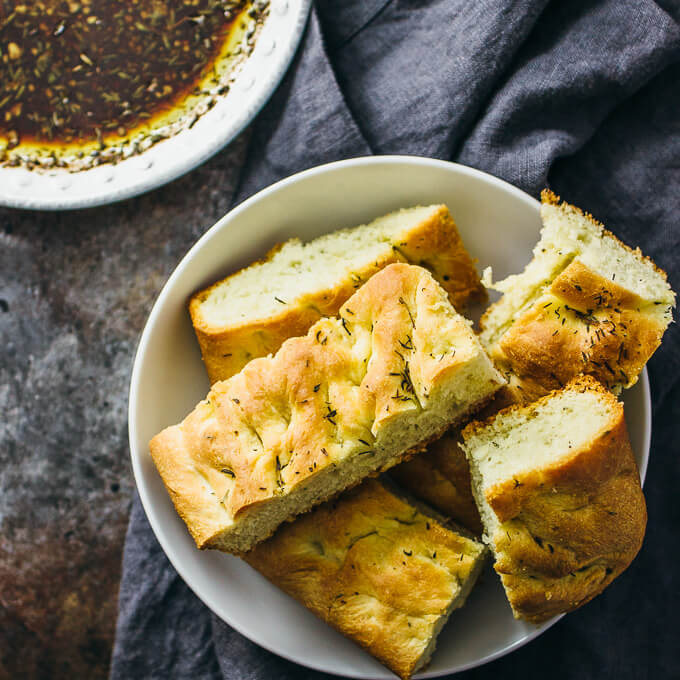
Focaccia as a canvas
Because focaccia is balanced and restrained, it invites interpretation. Herbs, onions, olives, potatoes—none overwhelm the bread; they sit with it.
That’s why focaccia travels so well. Respect the structure, and it welcomes new ideas without losing its identity.
Why dill cream cheese + smoked salmon works
This combination surprises people—until they taste it.
- Focaccia brings richness without sweetness
- Dill cream cheese adds tang and softness
- Smoked salmon brings salinity and elegance
Together, it feels familiar and unexpected at the same time. It eats like brunch, but it belongs on a tasting table. One bite tells the whole story.
There’s also a quiet lineage here—an echo of California kitchens where chefs weren’t afraid to let European foundations meet American ingredients. No need to name names. The influence is understood.
Tradition respected, not frozen
At Serpico’s Bread Co., we don’t believe tradition is something you preserve under glass. We believe it’s something you use well.
Our smoked salmon focaccia exists because focaccia allows it—because the bread is strong enough, and the history is generous enough, to welcome evolution.
That’s not breaking tradition.
That’s continuing it.
Curious how focaccia fits into a guided tasting experience?
Explore our pizza tasting menus and private events and see how tradition and creativity meet at the table.